
Juventas Wellness
GLP-1 Nutrition Guide: Easy Meals for Low Appetite and Foods That May Be Harder to Tolerate
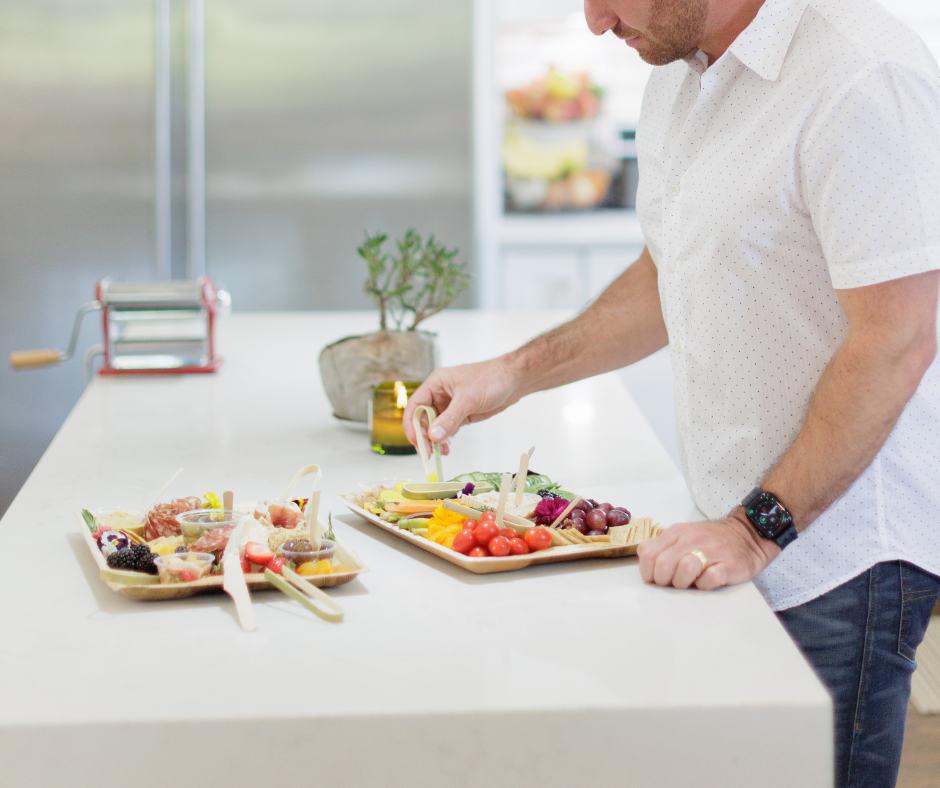
One of the most common changes people notice when beginning a GLP-1 medication is a significant decrease in appetite. For many, this is a welcome change, especially if they have struggled with constant hunger or cravings. However, eating less can also create a new challenge: making sure the food you do eat provides the protein, nutrients, and hydration your body needs.
At Juventas Wellness in Denver, CO, we often remind patients that eating less does not have to mean eating poorly. When appetite is low, the goal is to focus on smaller portions, nutrient-dense foods, and meals that are simple and enjoyable to eat. GLP-1 medications can also cause gastrointestinal symptoms such as nausea, fullness, constipation, or stomach discomfort, particularly when starting treatment or increasing a dose.
The good news is that a few simple adjustments can make mealtimes easier and more comfortable.
Why Appetite Can Change With GLP-1 Medications
GLP-1 medications can increase feelings of fullness and slow the rate at which food moves through the stomach. As a result, you may find that meals you once considered normal suddenly feel too large. Some people may also experience nausea, food aversions, or less interest in eating, particularly during the first few weeks of treatment or after a dose increase.
When you’re not particularly hungry, it can be tempting to skip meals altogether. However, consistently going long periods without eating can make it more difficult to meet your nutritional needs. Smaller, regular meals can be a more manageable approach, especially when appetite is limited.
Think quality over quantity: when you only have room for a small amount of food, make those bites count.
Easy GLP-1 Meal Ideas for Low Appetite
When food doesn’t sound appealing, complicated recipes probably aren’t going to help. Simple meals with protein and other nutrient-dense ingredients can be easier to tolerate and require very little preparation.
Here are some ideas to keep on hand:
- Greek yogurt with berries: Choose plain or lightly sweetened Greek yogurt and add fresh or frozen berries. A small serving provides protein without requiring a large meal.
- Protein smoothie: Blend Greek yogurt or a protein powder with milk or a milk alternative, berries, banana, or another fruit. Smoothies can be an easy way to consume nutrition when solid food isn’t appealing.
- Egg and avocado toast: One egg on a small piece of whole-grain toast with a little avocado can provide protein, carbohydrates, and healthy fats in a relatively small portion.
- Cottage cheese and fruit: Cottage cheese paired with berries, peaches, melon, or another favorite fruit makes a quick snack or light meal.
- Soup with protein: A small bowl of chicken and vegetable soup, lentil soup, or another protein-containing soup can be comforting and easy to eat.
- Half a sandwich: Instead of trying to finish a full sandwich, make a smaller version with turkey, chicken, tuna, or another protein source.
- Egg bites: Mini egg muffins made with eggs, vegetables, and a little cheese can be prepared ahead of time and eaten in small portions.
- Hummus and vegetables: If raw vegetables are comfortable for you, pair a small serving with hummus for a simple snack.
- Oatmeal with added protein: A small bowl of oatmeal can be made more substantial with Greek yogurt, protein powder, nut butter, or seeds.
The key is not to force yourself to eat a large meal simply because it is mealtime. Smaller, more frequent meals may be easier to manage when appetite is reduced.
Prioritize Protein When Appetite Is Low
When you’re eating smaller amounts, protein deserves particular attention. Maintaining adequate protein intake can help support muscle mass, which is an important consideration during weight loss. Expert guidance for people using GLP-1 therapy recommends prioritizing protein and incorporating strength training as appropriate.
You don’t necessarily need a large steak or full-sized chicken breast to get protein. Smaller portions of eggs, Greek yogurt, cottage cheese, fish, poultry, beans, tofu, or protein shakes can be easier to incorporate throughout the day.
One practical strategy is to ask yourself, “What is my protein source?” each time you eat. Then build a small meal around it.
Foods That May Be Harder to Tolerate on GLP-1 Medications
There isn’t one universal list of foods that everyone taking a GLP-1 medication needs to avoid. Tolerance varies from person to person. However, certain foods and eating habits may be more likely to worsen nausea, fullness, reflux, or other gastrointestinal symptoms.
Large, high-fat meals are a common example. Fried foods, greasy meals, heavy sauces, and rich restaurant dishes can feel particularly uncomfortable when digestion is slower. Spicy foods and strong food odors may also be difficult for some people, especially when nausea is present.
Other foods or habits that may be harder to tolerate include:
- Large portions or oversized meals
- Fried or greasy foods
- Very rich or creamy meals
- Spicy foods
- Highly processed or fast foods
- Foods with strong odors when experiencing nausea
- Eating too quickly
- Drinking large amounts of fluid with meals if it increases fullness
- Alcohol, particularly if it worsens gastrointestinal symptoms
If a particular food consistently makes you feel uncomfortable, pay attention to that pattern rather than assuming you need to eliminate an entire food group. Keeping a simple food and symptom journal can help you identify personal triggers.
GLP-1 Eating Tips for Better Tolerance
How you eat can be just as important as what you eat. Slow down and give yourself time to recognize when you’re getting full. With GLP-1 therapy, continuing to eat after you’ve reached comfortable fullness may contribute to nausea or discomfort.
Try these simple strategies:
- Eat smaller portions and stop when you feel comfortably full.
- Eat slowly rather than rushing through meals.
- Consider several small meals or snacks throughout the day instead of three large meals.
- Keep fluids available and sip regularly throughout the day.
- Choose simple preparation methods such as baking, steaming, or grilling.
- If you’re nauseated, bland or cooler foods may be more appealing.
- Avoid lying down immediately after eating.
- Keep easy-to-eat protein options available for days when cooking feels like too much work.
Hydration is also important, particularly if nausea, vomiting, diarrhea, or reduced food and fluid intake becomes an issue.
Finding Your GLP-1-Friendly Foods
There is no single “perfect” GLP-1 diet. The foods that work best will depend on your appetite, preferences, nutritional needs, and how your body responds to treatment.
Instead of focusing on everything you can’t eat, focus on building a list of foods that you enjoy and tolerate well. Keep your kitchen stocked with convenient options such as Greek yogurt, eggs, cottage cheese, fruit, protein shakes, soup, and other easy-to-prepare foods. This makes it much easier to eat something nutritious when your appetite is low.
Most importantly, don’t feel like you have to figure it all out on your own. If you’re consistently struggling to eat or drink enough, experiencing persistent nausea or vomiting, or having difficulty meeting your nutritional needs, talk with your healthcare provider. Severe or persistent gastrointestinal symptoms should not simply be ignored.
The Bottom Line: Eating Well on GLP-1 Therapy
GLP-1 medications can change your relationship with food. Smaller portions may become satisfying, favorite foods may suddenly seem less appealing, and certain meals may be harder to tolerate than they were before. These changes can be an expected part of treatment, but they also make nutrition more important.
The goal isn’t to force yourself to eat large meals. Instead, focus on small, nutrient-dense meals that provide protein, hydration, and the nutrients your body needs. Keep meals simple, eat slowly, pay attention to fullness cues, and learn which foods your body tolerates best.
At Juventas Wellness, we understand that successful GLP-1 support goes beyond the medication itself. Nutrition, lifestyle habits, and individualized guidance can all play an important role in your overall wellness journey. If you have questions about your GLP-1 treatment or would like additional guidance on nutrition and lifestyle strategies, contact our team to schedule a consultation.
Note: This information is intended for general educational purposes and is not a substitute for individualized medical advice. If you are experiencing severe or persistent nausea, vomiting, abdominal pain, dehydration, or difficulty eating or drinking, contact your healthcare provider.